Pierce Law Group | Estate Administration Lawyers North Carolina
North Carolina Probate and Estate Administration Lawyers
Estate Planning Q&A Series

Page 86 of 102

What are my rights if someone with a medical power of attorney sends EMS to my home without my consent?: North Carolina – Estate Planning

What are my rights if someone with a medical power of attorney sends EMS to my home without my consent? – North Carolina Short Answer In North Carolina, a competent adult controls medical decisions and may refuse evaluation or transport, even if a health care agent exists. A health care power of attorney typically becomes…

Read more


If my family or assets have changed, which parts of my will should be updated first?: North Carolina Estate Planning

If my family or assets have changed, which parts of my will should be updated first? – North Carolina Short Answer Under North Carolina law, prioritize updating who inherits (primary and backup beneficiaries), who serves (executor and guardians for minor children), and any specific gifts tied to assets that have changed. Life events like divorce,…

Read more

Should we choose a revocable or irrevocable trust, and how do taxes and probate avoidance factor into that choice?: North Carolina

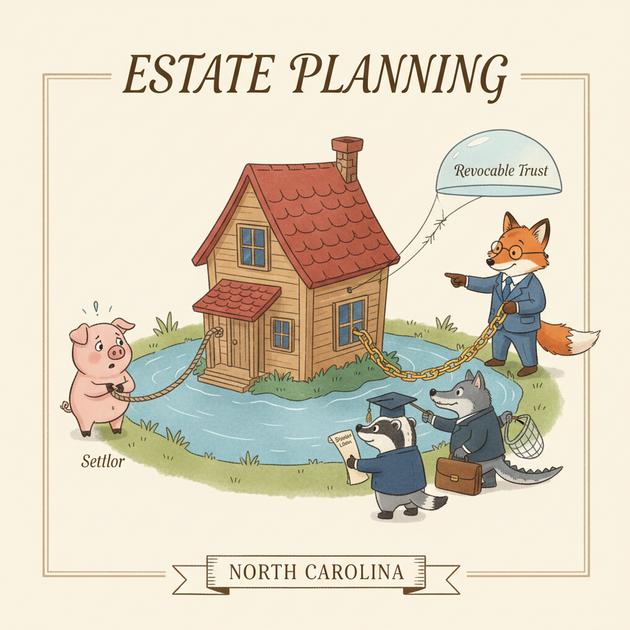
Should we choose a revocable or irrevocable trust, and how do taxes and probate avoidance factor into that choice? – North Carolina Short Answer In North Carolina, a revocable living trust is typically chosen to avoid probate and keep administration private while the creator keeps full control; its assets remain reachable by the creator’s creditors…

Read more

What duties does a trustee have in an educational trust and how are they enforced?: North Carolina

What duties does a trustee have in an educational trust and how are they enforced? – North Carolina Short Answer In North Carolina, a trustee of an educational trust must act in good faith, stay loyal to all beneficiaries, invest and manage prudently, keep beneficiaries reasonably informed, and follow the trust’s terms—even when distributions are…

Read more

Can I help my parent draft a will if early dementia symptoms affect their decision-making?: North Carolina Estate Planning

Can I help my parent draft a will if early dementia symptoms affect their decision-making? – North Carolina Short Answer In North Carolina, only the parent can make a will, and they must have testamentary capacity at the moment of signing. A child may coordinate logistics (scheduling, transportation), but should not direct the terms, select…

Read more

What should I do if my parent can’t legally sign estate planning documents due to impaired capacity?: North Carolina Estate Planning

What should I do if my parent can’t legally sign estate planning documents due to impaired capacity? – North Carolina Short Answer In North Carolina, first confirm whether the parent still has the specific capacity needed for each document. If capacity is adequate (even during a lucid period), a will, revocable trust, or powers of…

Read more

How do powers of attorney and beneficiary designations work alongside a trust?: North Carolina

How do powers of attorney and beneficiary designations work alongside a trust? – North Carolina Short Answer In North Carolina, a revocable living trust, well-drafted powers of attorney, and up-to-date beneficiary designations should be coordinated so assets pass outside probate and the plan functions during incapacity. Beneficiary forms and joint/TOD/POD registrations control those specific assets…

Read more

Will a revocable trust shield our assets from business lawsuits or personal creditors like student loans?: North Carolina

Will a revocable trust shield our assets from business lawsuits or personal creditors like student loans? – North Carolina Short Answer No. Under North Carolina law, a revocable living trust does not protect the creator’s assets from personal or business creditors while living, and those assets can also be used to pay valid debts after…

Read more

Can we change trustees, beneficiaries, or guardians in our living trust as our children grow up?: North Carolina

Can we change trustees, beneficiaries, or guardians in our living trust as our children grow up? – North Carolina Short Answer Yes—under North Carolina law, a revocable living trust can be amended or revoked during the settlor’s lifetime, which allows changes to trustees and beneficiaries. Follow the amendment method in the trust, or use a…

Read more

Questions about your situation?

Attorney Jared Pierce
Free case evaluation

Articles are a starting point, not legal advice. Talk through the specifics of your case with a North Carolina attorney — the case evaluation is always free.

Go to Top
Free Consultation

Talk with a North Carolina attorney

Tell us a bit about your situation and we'll respond within one business day.

This site is protected by reCAPTCHA and the Google Privacy Policy and Terms of Service apply.