Probate Q&A Series

Page 392 of 600

Probate Q&A Series ·

Can I force an accounting from the person who managed my parent’s finances and require them to disclose insurance policies, bank accounts, and property? NC

Can I force an accounting from the person who managed my parent’s finances and require them to disclose insurance policies, bank accounts, and property? – North Carolina Short Answer Yes—under North Carolina law, the right way to “force an accounting” depends on the person’s role. If the sibling acted under a power of attorney, the…

Read more
Probate Q&A Series ·

What paperwork do I need to transfer inheritance from my grandparent’s estate into my parent’s probate estate? – NC

What paperwork do I need to transfer inheritance from my grandparent’s estate into my parent’s probate estate? – North Carolina Short Answer In North Carolina, when a beneficiary of a grandparent’s estate has died and the inheritance must be paid to that beneficiary’s probate estate, the receiving estate usually needs (1) a certified copy of…

Read more
Probate Q&A Series ·

What happens if the only comparables I can find are from online listings—will the court accept those, and what documentation should I provide? NC

What happens if the only comparables I can find are from online listings—will the court accept those, and what documentation should I provide? – North Carolina Short Answer In North Carolina estate administration, the Clerk of Superior Court generally expects the estate’s inventory to list fair market value as of the date of death, with…

Read more
Probate Q&A Series ·

Should the creditor communicate directly with me or only through the personal representative or attorney? NC

Should the creditor communicate directly with me or only through the personal representative or attorney? – North Carolina Short Answer In North Carolina probate, a creditor should generally direct collection and settlement communications to the estate’s personal representative (executor/administrator) or the estate’s attorney, not to heirs, beneficiaries, or family members in their individual capacity. The…

Read more
Probate Q&A Series ·

What if estate property is sold to a family member for too little—can I recover the loss from the administrator personally? NC

What if estate property is sold to a family member for too little—can I recover the loss from the administrator personally? – North Carolina Short Answer Yes—under North Carolina law, an administrator (personal representative) can be held personally responsible when estate property is sold for an unfairly low price or the sale benefits a family…

Read more
Probate Q&A Series ·

How does the year’s allowance work in an intestate estate when there are significant medical bills and limited assets? – NC

How does the year’s allowance work in an intestate estate when there are significant medical bills and limited assets? – North Carolina Short Answer In North Carolina, a surviving spouse can claim a $60,000 year’s allowance from the decedent’s personal property even when the decedent died without a will, and that allowance is generally protected…

Read more
Probate Q&A Series ·

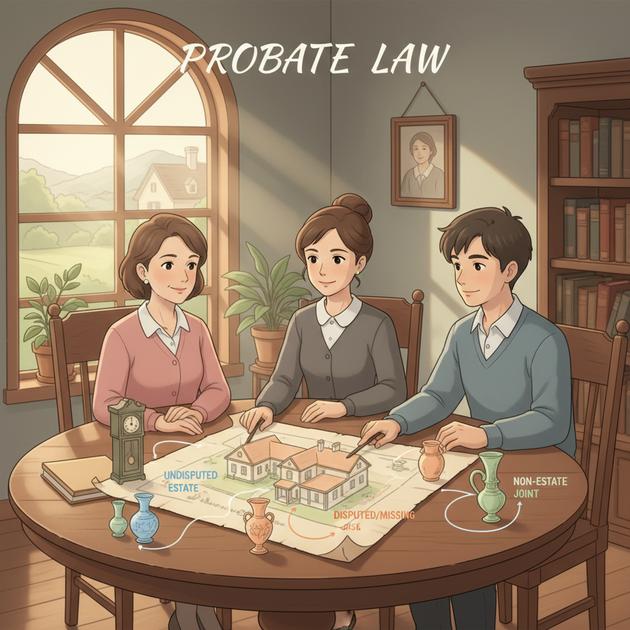
How should I document and value household items for the court inventory, and should I separate undisputed, disputed, and joint items? NC

How should I document and value household items for the court inventory, and should I separate undisputed, disputed, and joint items? – North Carolina Short Answer In North Carolina, the personal representative should list household items that are part of the probate estate at their fair market value as of the date of death and…

Read more
Probate Q&A Series ·

What can I legally say or do if the estranged spouse keeps demanding access to the house, vehicles, or bank accounts before the estate is opened? NC

What can I legally say or do if the estranged spouse keeps demanding access to the house, vehicles, or bank accounts before the estate is opened? – North Carolina Short Answer In North Carolina, before an estate is opened and a personal representative is appointed, no family member has legal authority to hand over, sell,…

Read more
Probate Q&A Series ·

Can real estate in one jurisdiction be addressed in a probate handled in another, and how do I protect my share if the surviving spouse is living in the home? NC

Can real estate in one jurisdiction be addressed in a probate handled in another, and how do I protect my share if the surviving spouse is living in the home? – North Carolina Short Answer Usually not in a way that changes title. Under North Carolina practice, real estate is governed by the law and…

Read more
Probate Q&A Series ·

Can we close the estate to avoid another tax year while the court is still reviewing the final accounting, for example by holding a small reserve in trust? NC

Can we close the estate to avoid another tax year while the court is still reviewing the final accounting, for example by holding a small reserve in trust? – North Carolina Short Answer In North Carolina, an estate generally cannot be “closed” in the Clerk of Superior Court while the final account is still pending…

Read more
Probate Q&A Series ·

What documents do plan administrators typically require before releasing account details or paying benefits after someone dies? NC

What documents do plan administrators typically require before releasing account details or paying benefits after someone dies? – North Carolina Short Answer In North Carolina, plan administrators (like 401(k) and pension plan administrators) usually require proof of death and proof that the person requesting information or payment has legal authority or is the named beneficiary.…

Read more

Questions about your situation?

Attorney Jared Pierce
Free case evaluation

Articles are a starting point, not legal advice. Talk through the specifics of your case with a North Carolina attorney — the case evaluation is always free.

Go to Top
Free Consultation

Talk with a North Carolina attorney

Tell us a bit about your situation and we'll respond within one business day.

This site is protected by reCAPTCHA and the Google Privacy Policy and Terms of Service apply.