News and Articles

Page 676 of 868

Guardianship Q&A Series ·

What steps are involved in transferring existing guardianship from the current guardian to me?: Answered for North Carolina

What steps are involved in transferring existing guardianship from the current guardian to me? – North Carolina Short Answer In North Carolina, you take over an existing guardianship by asking the Clerk of Superior Court to replace the current guardian and appoint you as the successor. This can happen by the current guardian’s resignation or…

Read more
Guardianship Q&A Series ·

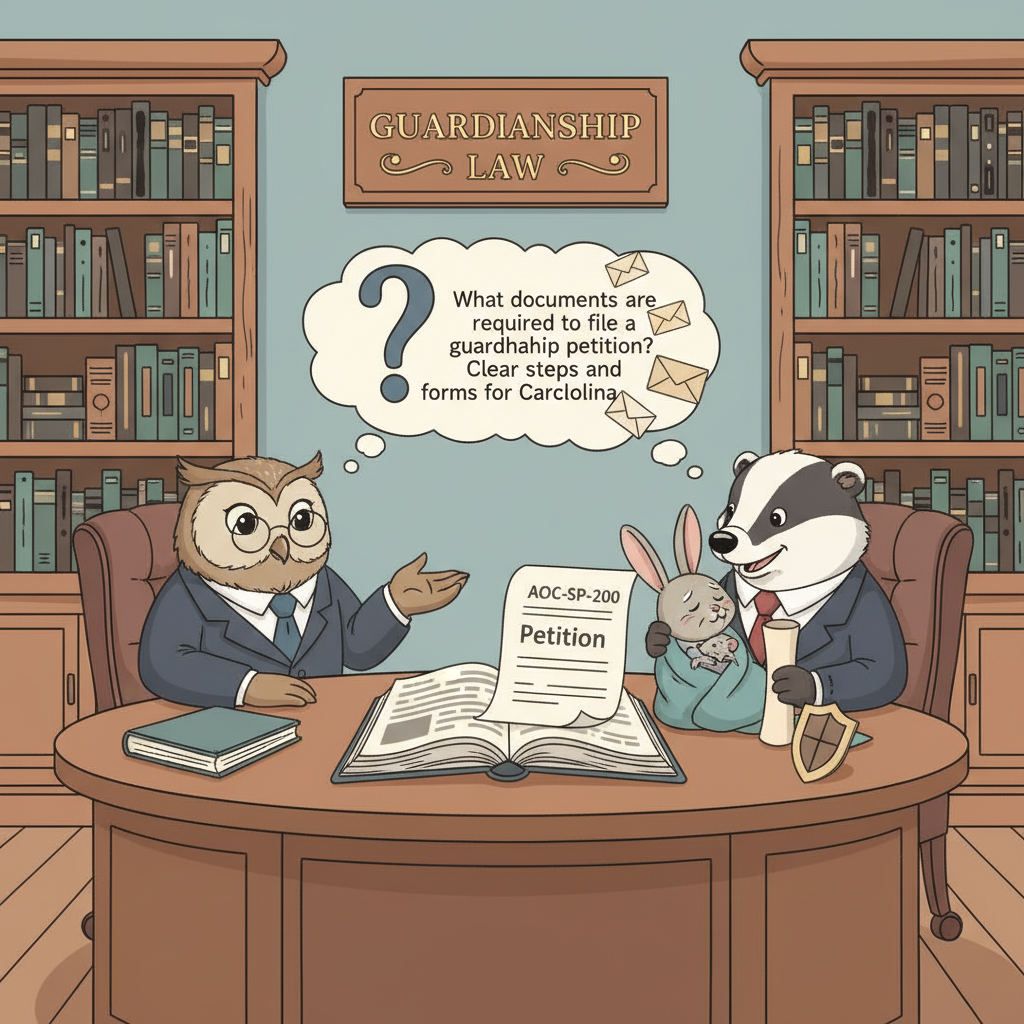
What documents are required to file a guardianship petition?: Clear steps and forms for North Carolina

What documents are required to file a guardianship petition? – North Carolina Short Answer In North Carolina, you start an adult guardianship case by filing a verified Petition for Adjudication of Incompetence and Application for Appointment of Guardian (AOC-SP-200) with the Clerk of Superior Court in the respondent’s county. The clerk issues a Notice of…

Read more
Guardianship Q&A Series ·

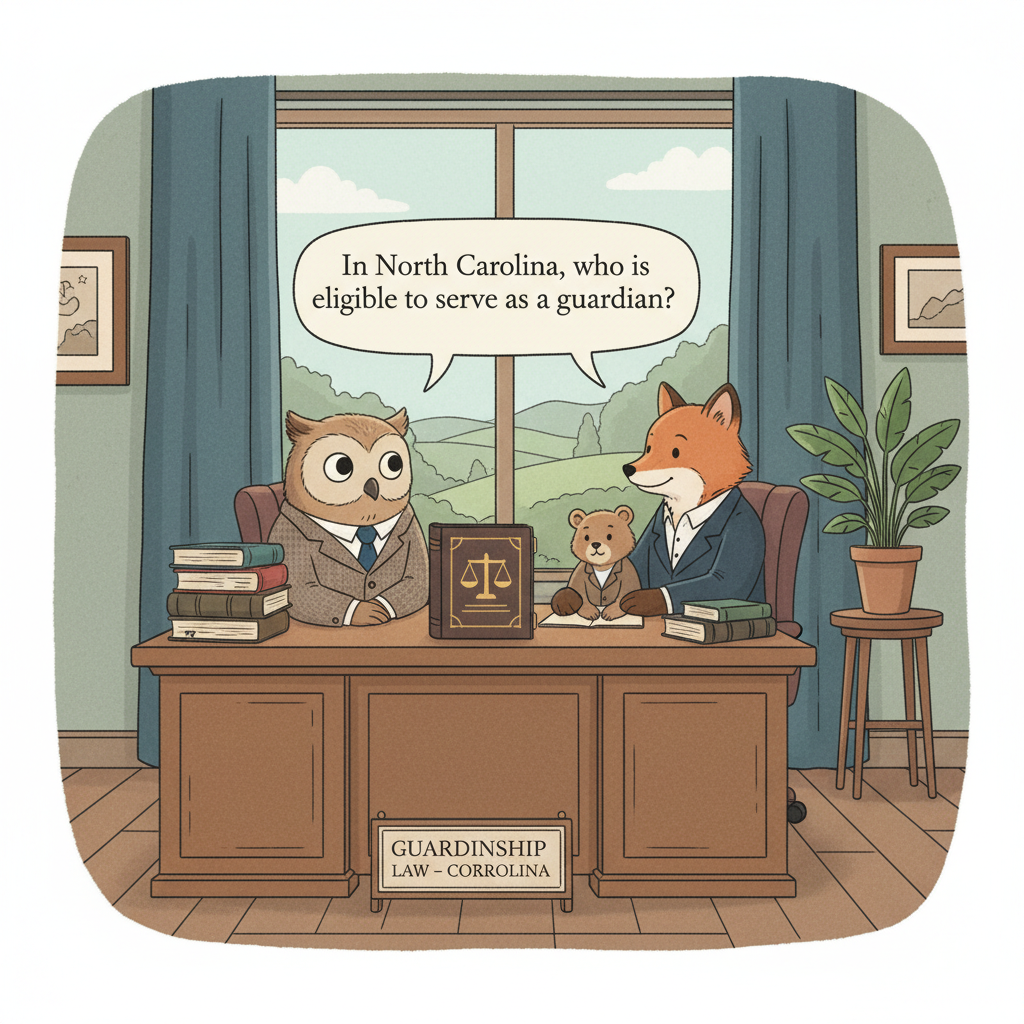
Who is eligible to serve as a guardian?: North Carolina

Who is eligible to serve as a guardian? – North Carolina Short Answer In North Carolina, any competent adult the Clerk of Superior Court finds “most suitable” may serve as guardian of the person, guardian of the estate, or general guardian. Nonresidents may serve if they appoint a North Carolina resident process agent and meet…

Read more
Probate Q&A Series ·

What steps should I take if my co-administrator refuses to communicate about estate matters?

What steps should I take if my co-administrator refuses to communicate about estate matters? – North Carolina Short Answer In North Carolina, if a co-administrator won’t cooperate and it impairs estate administration, you can ask the Clerk of Superior Court to intervene. The clerk can order accountings, require or increase bond, compel cooperation, order mediation,…

Read more
Probate Q&A Series ·

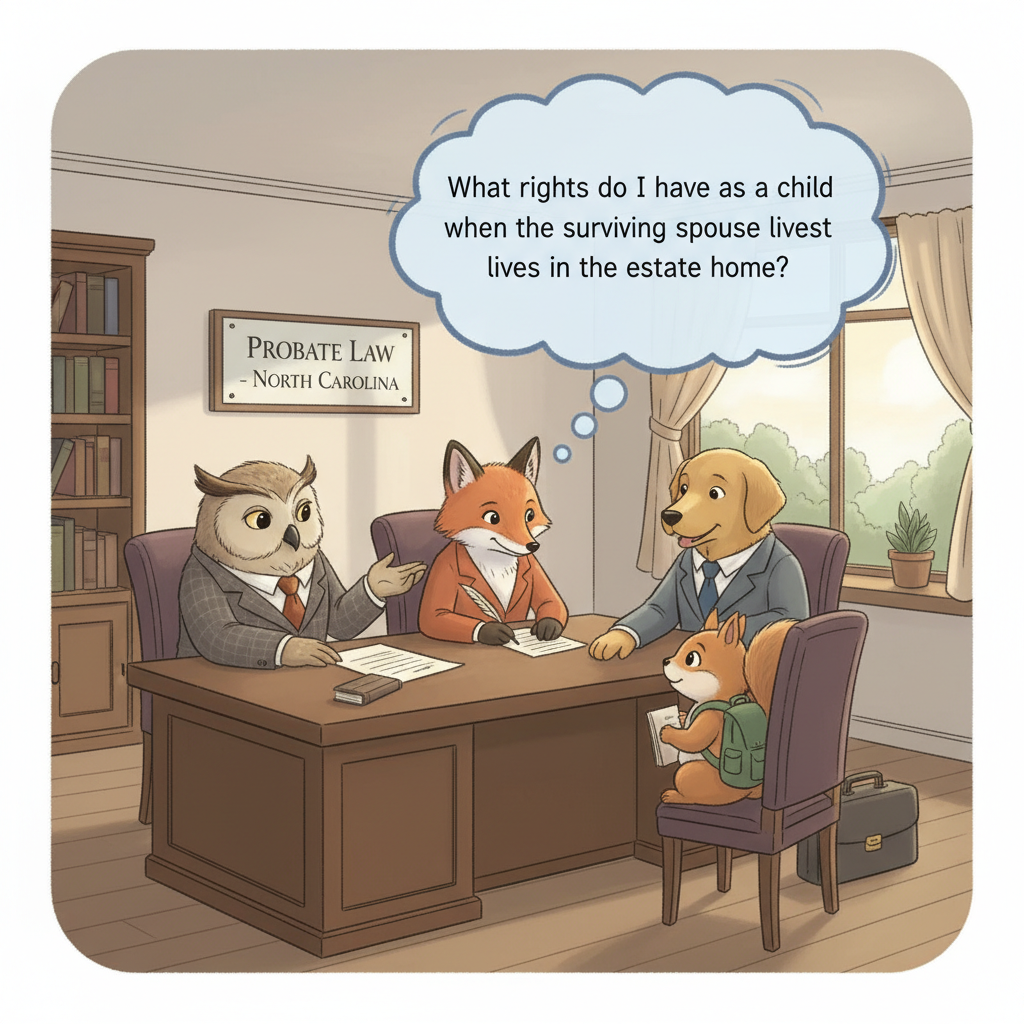
What documents are required to prove my parent-in-law’s right to the decedent’s property?: A practical guide under North Carolina probate law

What documents are required to prove my parent-in-law’s right to the decedent’s property? – North Carolina Short Answer In North Carolina, title to a decedent’s non-survivorship real estate vests at death in the heirs (no will) or in the devisees (will). To prove your parent‑in‑law’s right, you typically need evidence of death, proof of whether…

Read more

Questions about your situation?

Attorney Jared Pierce
Free case evaluation

Articles are a starting point, not legal advice. Talk through the specifics of your case with a North Carolina attorney — the case evaluation is always free.

Go to Top
Free Consultation

Talk with a North Carolina attorney

Tell us a bit about your situation and we'll respond within one business day.

This site is protected by reCAPTCHA and the Google Privacy Policy and Terms of Service apply.