News and Articles

Page 644 of 871

Can I make my power of attorney effective only if I’m incapacitated, or should it be effective immediately?: North Carolina

Can I make my power of attorney effective only if I’m incapacitated, or should it be effective immediately? – North Carolina Short Answer In North Carolina, a financial power of attorney is effective when signed unless the document says it becomes effective later (for example, upon incapacity). That delayed version is often called a “springing”…

Read more


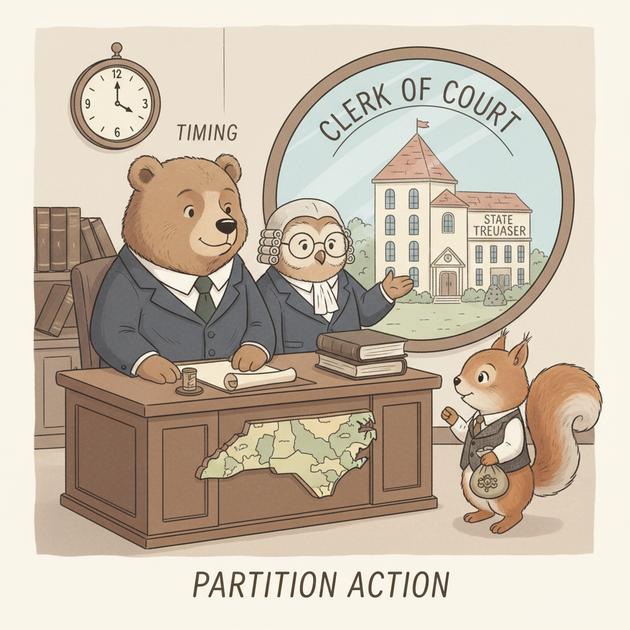
How can I complete a partition sale without attending the closing or signing anything if a commissioner was appointed?: North Carolina

How can I complete a partition sale without attending the closing or signing anything if a commissioner was appointed? – North Carolina Short Answer In North Carolina, once a partition sale is confirmed, the court‑appointed commissioner—not the co‑owners—signs the deed and completes closing under the court’s order. Co‑owners typically do not attend closing or sign…

Read more

Can I be held in contempt for speaking with the closing attorney when a court order says not to contact the buyer?: North Carolina

Can I be held in contempt for speaking with the closing attorney when a court order says not to contact the buyer? – North Carolina Short Answer Yes—if a North Carolina court order bars contact with the buyer (and especially the buyer’s agents), reaching out to the buyer’s closing attorney can be treated as indirect…

Read more
Surplus Funds Q&A Series ·

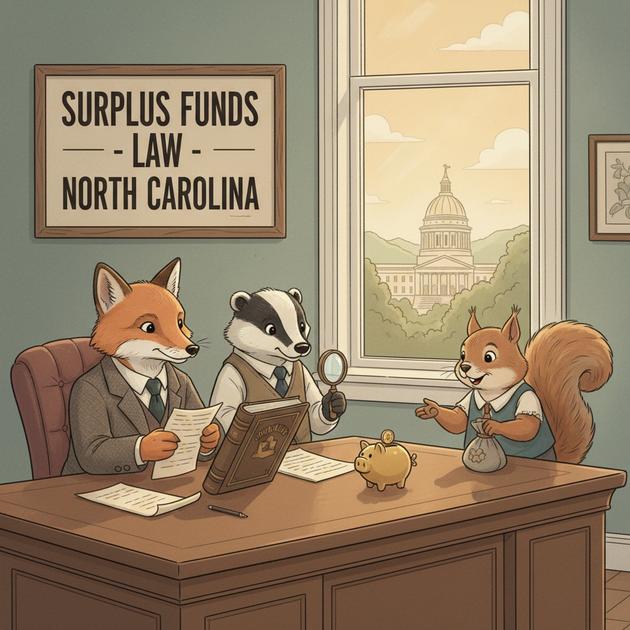
Who is holding the funds before the hearing, and do they earn interest?: Who is holding the funds before the hearing, and do they earn interest?

Who is holding the funds before the hearing, and do they earn interest? – North Carolina Short Answer In North Carolina foreclosure and judicial sale cases, surplus proceeds are typically paid into the office of the Clerk of Superior Court if entitlement is unclear or disputed; otherwise, the trustee or sale officer may hold them…

Read more
Probate Q&A Series ·

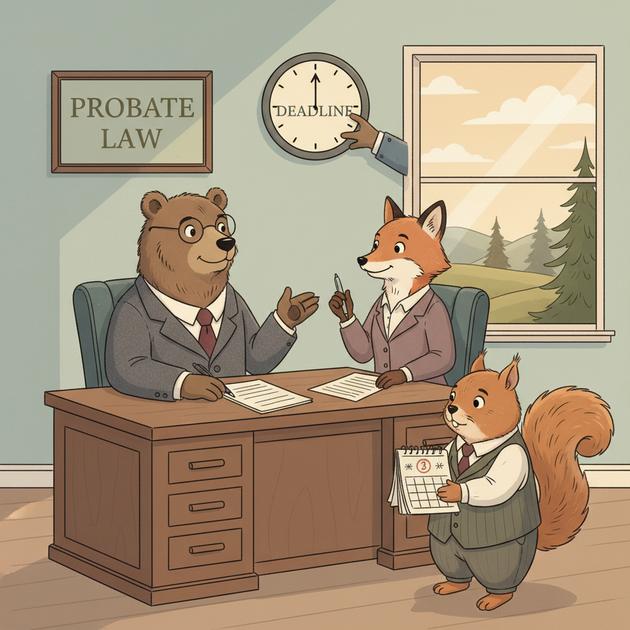
Do beneficiary‑only assets need to be listed on the probate forms, and do they affect the estate’s fee calculation?: North Carolina

Do beneficiary‑only assets need to be listed on the probate forms, and do they affect the estate’s fee calculation? – North Carolina Short Answer In North Carolina, beneficiary‑only assets (like life insurance or retirement accounts payable to a named person) are typically not part of the probate estate and generally are not listed on the…

Read more

How can I make sure the commissioner credits the delinquent property taxes I paid before the sale when the proceeds are split multiple ways?

How can I make sure the commissioner credits the delinquent property taxes I paid before the sale when the proceeds are split multiple ways? – North Carolina Short Answer In North Carolina partition sales, necessary carrying costs that preserved the common property—like delinquent property taxes—are paid back from the sale proceeds before the net is…

Read more

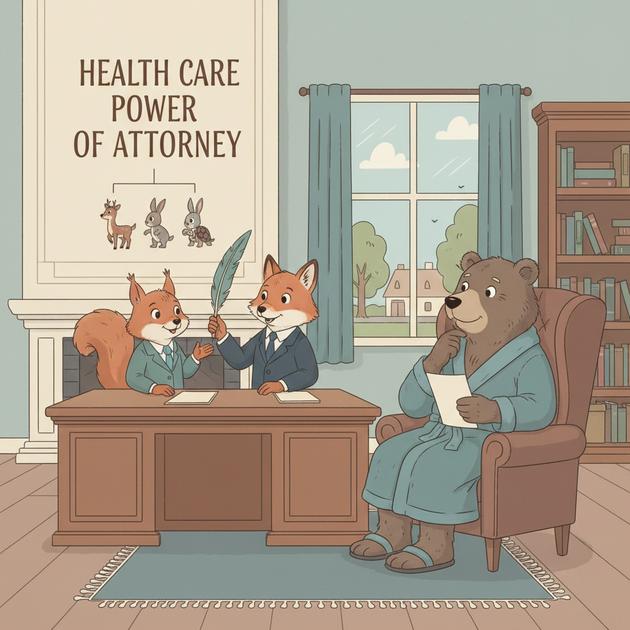
Is it better to name healthcare agents in a sequence rather than requiring joint decisions, and how many backups should we include?: North Carolina

Is it better to name healthcare agents in a sequence rather than requiring joint decisions, and how many backups should we include? – North Carolina Short Answer Under North Carolina law, it is usually better to name one primary health care agent and then list backups in sequence instead of requiring joint decisions. Sequential authority…

Read more

How should we set up beneficiaries on our retirement accounts so they avoid probate and still match our will plans?

How should we set up beneficiaries on our retirement accounts so they avoid probate and still match our will plans? – North Carolina Short Answer In North Carolina, retirement accounts pass by beneficiary designation, not by a will, so naming primary and contingent beneficiaries keeps them out of probate. To match will goals, align each…

Read more

Do we need to list any specific account details in our wills, or is it best to keep those off the documents and rely on beneficiary forms?: North Carolina

Do we need to list any specific account details in our wills, or is it best to keep those off the documents and rely on beneficiary forms? – North Carolina Short Answer In North Carolina, a will controls probate assets, while most financial accounts with beneficiary, POD, or TOD designations pass outside the will. It…

Read more

Can a married couple name different executors in each will, and how would that work if one spouse dies while an estate is being handled?: North Carolina Estate Planning

Can a married couple name different executors in each will, and how would that work if one spouse dies while an estate is being handled? – North Carolina Short Answer Yes. In North Carolina, each spouse’s will stands on its own, so each spouse may name a different executor and different backups. If one spouse…

Read more

What’s the best order for naming primary and backup executors and agents for financial and health care powers of attorney?: North Carolina

What’s the best order for naming primary and backup executors and agents for financial and health care powers of attorney? – North Carolina Short Answer In North Carolina, a common, sound order is: spouse first, then one or two trusted adult alternates listed in a clear sequence. Use one active decision‑maker at a time to…

Read more
Surplus Funds Q&A Series ·

What documents do I need to prove my family’s interest when the property was passed down informally?: North Carolina Surplus Funds

What documents do I need to prove my family’s interest when the property was passed down informally? – North Carolina Short Answer Under North Carolina law, surplus money from a foreclosure or tax sale goes to lienholders first and then to the person(s) legally entitled to it. If title passed informally through a family, the…

Read more

What happens to my authority if my parent passes away—does my power of attorney continue or end, and what role would I need instead?

What happens to my authority if my parent passes away—does my power of attorney continue or end, and what role would I need instead? – North Carolina Short Answer In North Carolina, a financial power of attorney ends when the principal (the parent) dies. A health care power of attorney also ends at death, but…

Read more

Who needs to be notified after the power of attorney is revoked so banks and healthcare providers honor the change?: North Carolina Estate Planning

Who needs to be notified after the power of attorney is revoked so banks and healthcare providers honor the change? – North Carolina Short Answer In North Carolina, the principal must revoke the power of attorney in writing and give actual notice to the former agent and any third parties that might rely on it.…

Read more

How can I revoke an existing power of attorney for my parent, and what should the revocation letter include?

How can I revoke an existing power of attorney for my parent, and what should the revocation letter include? – North Carolina Short Answer In North Carolina, only the parent (the principal) can revoke a financial power of attorney while competent. The parent should sign a clear, notarized revocation that identifies the original document and…

Read more

Questions about your situation?

Attorney Jared Pierce
Free case evaluation

Articles are a starting point, not legal advice. Talk through the specifics of your case with a North Carolina attorney — the case evaluation is always free.

Go to Top
Free Consultation

Talk with a North Carolina attorney

Tell us a bit about your situation and we'll respond within one business day.

This site is protected by reCAPTCHA and the Google Privacy Policy and Terms of Service apply.