News and Articles

Page 645 of 870

Real Estate Q&A Series ·

How do I verify the identity and authority of someone who says they are reaching out about my property?: North Carolina — Real Estate

How do I verify the identity and authority of someone who says they are reaching out about my property? – North Carolina Short Answer In North Carolina, ask for two things: proof of identity (a government-issued photo ID) and proof of legal authority tied to the property (for example, a recorded power of attorney, current…

Read more
Real Estate Q&A Series ·

Can I authorize a representative to discuss my property with a third party, and what permissions or forms are typically needed?: North Carolina – Real Estate

Can I authorize a representative to discuss my property with a third party, and what permissions or forms are typically needed? – North Carolina Short Answer Yes. In North Carolina, a simple written authorization usually lets a designated person talk about a property matter with a third party, but it does not allow signing or…

Read more
Real Estate Q&A Series ·

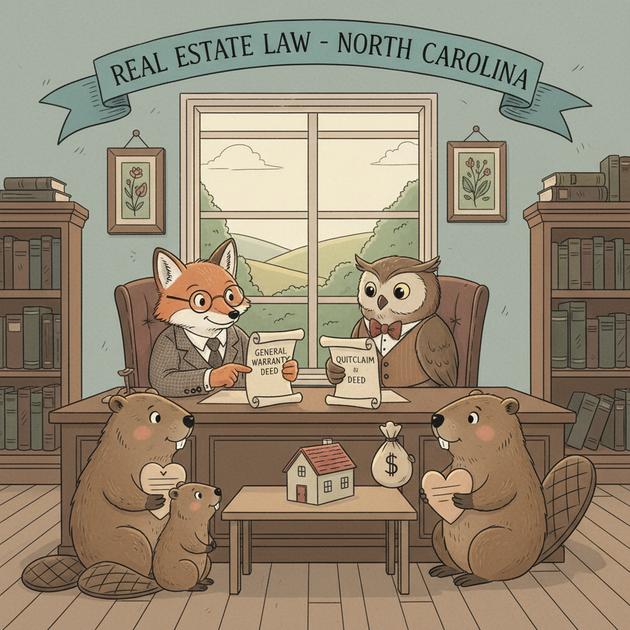
What is the difference between a general warranty deed and a quitclaim deed, and which should I use to transfer my property?

What is the difference between a general warranty deed and a quitclaim deed, and which should I use to transfer my property? – North Carolina Short Answer In North Carolina, a general warranty deed guarantees clear title against all claims, past and present, and obligates the seller to defend title. A quitclaim deed gives whatever…

Read more
Real Estate Q&A Series ·

Who pays taxes, insurance, and major repairs when someone has lifetime rights to a home?: North Carolina

Who pays taxes, insurance, and major repairs when someone has lifetime rights to a home? – North Carolina Short Answer Under North Carolina law, a life tenant (the person with lifetime rights) generally pays the ongoing carrying costs: annual property taxes, hazard insurance for their occupancy, routine maintenance, and interest on any existing mortgage. The…

Read more

Is there any way to shorten the post-sale appeal or waiting period so funds can be disbursed sooner?: North Carolina Partition Action

Is there any way to shorten the post-sale appeal or waiting period so funds can be disbursed sooner? – North Carolina Short Answer Under North Carolina partition law, funds are typically released after the sale is final, fees are approved, and the Clerk signs a distribution order. The fastest path is to obtain a signed…

Read more

What happens if I wasn’t notified about a hearing in my partition case and missed it—can the record or orders be corrected afterward?: North Carolina

What happens if I wasn’t notified about a hearing in my partition case and missed it—can the record or orders be corrected afterward? – North Carolina Short Answer Yes. In a North Carolina partition special proceeding, the Clerk of Superior Court can correct clerical mistakes in an order, and a party can ask to set…

Read more

How can I make sure the final partition order lists all co-owners correctly and avoids duplicate payouts before it’s filed?

How can I make sure the final partition order lists all co-owners correctly and avoids duplicate payouts before it’s filed? – North Carolina Short Answer In North Carolina partition cases before the Clerk of Superior Court, the final order should identify every co-owner and state each share and credit before funds are released. If a…

Read more
Guardianship Q&A Series ·

If I have stable housing and am managing well, will the court still approve a guardianship or consider ending it instead?: North Carolina

If I have stable housing and am managing well, will the court still approve a guardianship or consider ending it instead? – North Carolina Short Answer In North Carolina, the Clerk of Superior Court only approves adult guardianship if there is evidence the person is incompetent under North Carolina law and needs a guardian. If…

Read more
Guardianship Q&A Series ·

How can I reinstate guardianship for myself after my previous guardian resigned?: North Carolina

How can I reinstate guardianship for myself after my previous guardian resigned? – North Carolina Short Answer In North Carolina, if a guardian resigns, the Clerk of Superior Court can appoint a successor guardian in the same guardianship case without re-doing the incompetency adjudication, unless the court has already restored competency. The ward, a parent,…

Read more
Guardianship Q&A Series ·

What steps are required to rescind a power of attorney after the principal has started losing capacity?: North Carolina Guardianship

What steps are required to rescind a power of attorney after the principal has started losing capacity? – North Carolina Short Answer In North Carolina, only a principal with legal capacity can revoke a power of attorney by signing a written revocation and giving actual notice to the agent and third parties. If capacity is…

Read more
Guardianship Q&A Series ·

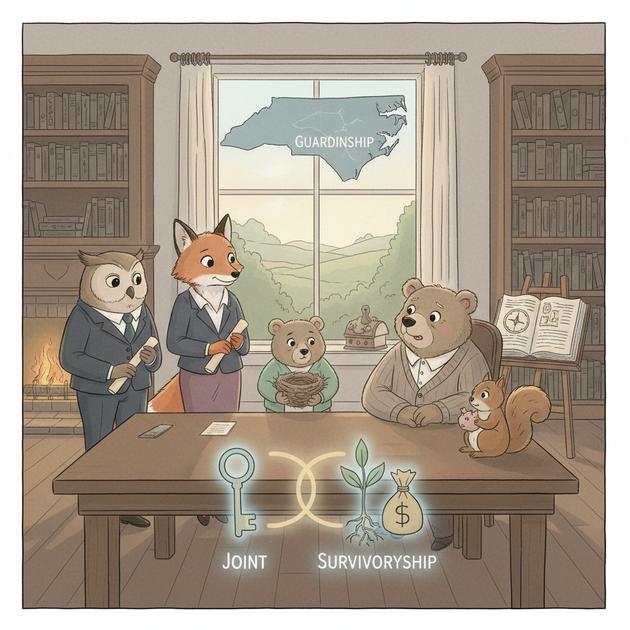
What is the difference between being a joint owner and being listed with rights of survivorship when managing money during incapacity?: North Carolina

What is the difference between being a joint owner and being listed with rights of survivorship when managing money during incapacity? – North Carolina Short Answer In North Carolina, a joint owner has present ownership and can access the account during the original owner’s lifetime; “rights of survivorship” decides who owns the funds at death.…

Read more
Guardianship Q&A Series ·

If a court later appoints a guardian, what happens to our access to the joint account and will past transactions be reviewed?

If a court later appoints a guardian, what happens to our access to the joint account and will past transactions be reviewed? – North Carolina Short Answer Once a North Carolina court appoints and qualifies a guardian of the estate or general guardian, the guardian controls the ward’s bank funds. Banks typically honor only the…

Read more

Can I protect money from future long-term care costs without losing the monthly interest I rely on?: North Carolina Estate Planning

Can I protect money from future long-term care costs without losing the monthly interest I rely on? – North Carolina Short Answer Yes, but it requires giving up access to the principal. In North Carolina, a properly drafted and funded irrevocable “income-only” trust can hold savings, protect the principal from future long-term care costs for…

Read more

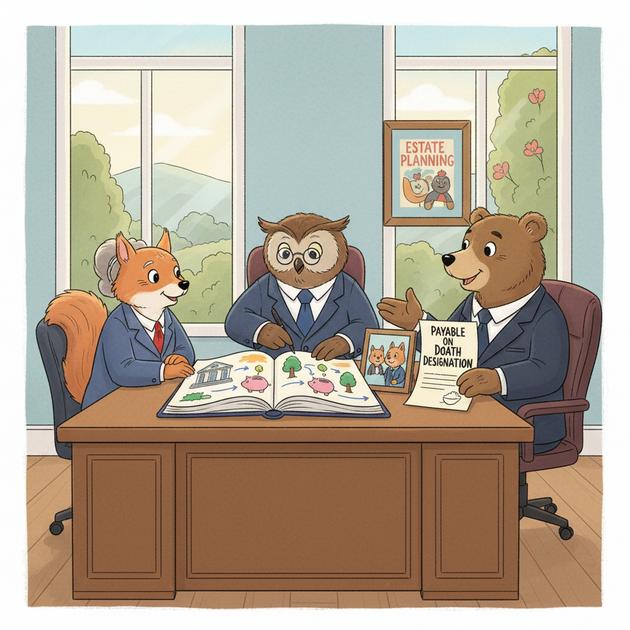
How do I set up beneficiary designations on bank accounts so funds pass outside probate but still stay accessible during my life? – North Carolina

How do I set up beneficiary designations on bank accounts so funds pass outside probate but still stay accessible during my life? – North Carolina Short Answer In North Carolina, use a payable-on-death (POD) designation on a bank account to pass funds directly to named beneficiaries at death while keeping full access and control during…

Read more

Questions about your situation?

Attorney Jared Pierce
Free case evaluation

Articles are a starting point, not legal advice. Talk through the specifics of your case with a North Carolina attorney — the case evaluation is always free.

Go to Top
Free Consultation

Talk with a North Carolina attorney

Tell us a bit about your situation and we'll respond within one business day.

This site is protected by reCAPTCHA and the Google Privacy Policy and Terms of Service apply.